Financial literacy begins with understanding how you earn, spend, save, borrow, and protect money, so start by learning one topic at a time rather than trying to master everything at once. Our beginner’s guide to financial literacy can help you organize those topics into a practical learning path.
Make a Simple Budget
List your monthly take-home income and expenses, including regular bills, groceries, transportation, debt payments, and occasional costs, then compare what comes in with what goes out. If you spend more than you earn, look for an expense you can reduce or an income opportunity you can pursue, and review your plan each month as your circumstances change.
Featured in this guide
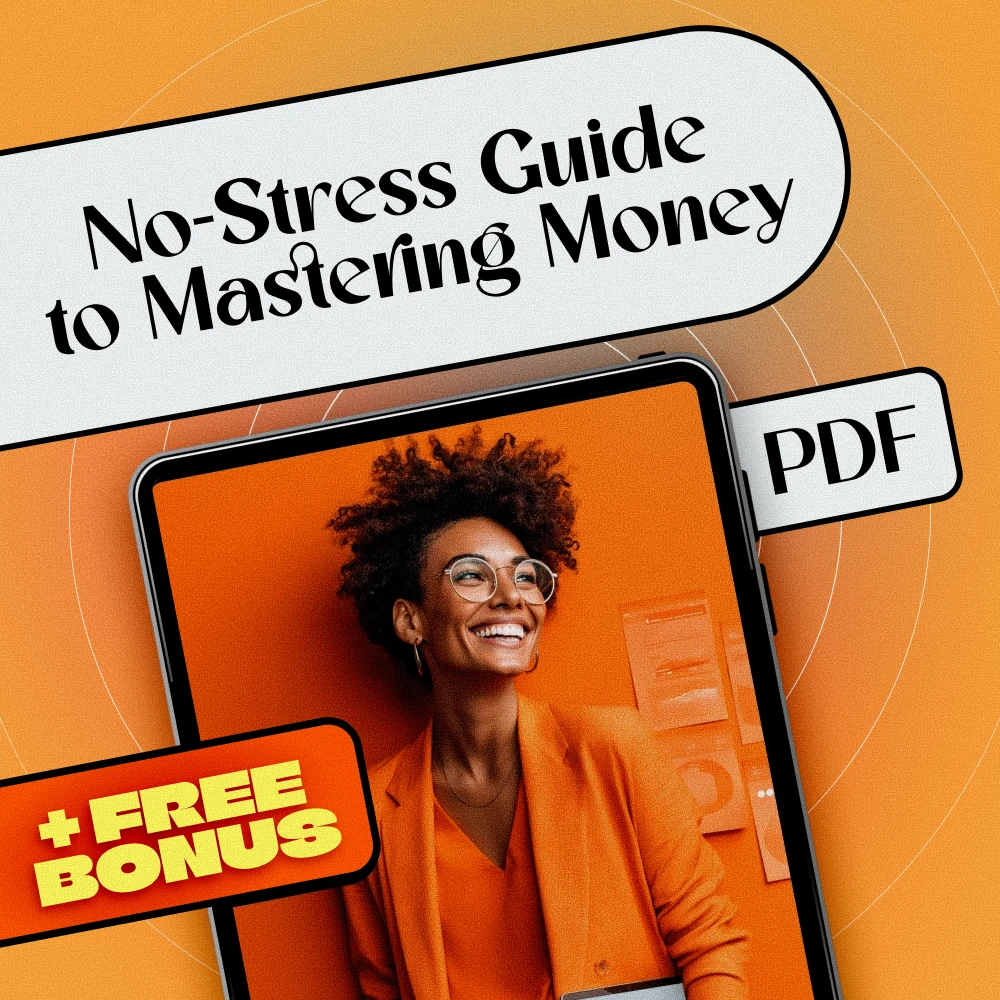
Financial Literacy for Dummies: Your No-Stress Guide to Mastering Money | Beginner-Friendly eBook for Budgeting, Credit, Investing & More
Choose a small, realistic amount to set aside for unexpected expenses, such as a car repair or medical bill, and keep that money somewhere you can access it when needed. Once you have a savings habit, you can work toward other goals, such as paying for education, taking a trip, or building a larger emergency fund.
Check the product’s listed specifications when evaluating build savings gradually.
Learn How Credit and Debt Work
Read the terms of any loan or credit card you use, paying particular attention to the interest rate, fees, payment due dates, and consequences of missing a payment. Compare the cost of borrowing with the benefit of a purchase, and make at least the required payments on time while developing a plan to reduce your balances.
Explore Investing at Your Own Pace
Begin with concepts such as compound interest, diversification, and the difference between saving for a near-term expense and investing for a longer-term goal. Investments can lose value, so consider your time frame and comfort with risk before choosing where to put money, and avoid committing to anything you do not understand.
Check the product’s listed specifications when evaluating explore investing at your own pace.
One useful framework is to earn, save, spend, borrow, and protect your money. Together, these principles encourage you to understand your income, plan for goals, manage expenses and debt, and prepare for financial risks.
Is there a free way to learn about financial literacy?
Yes, you can borrow books from a public library and use free educational resources from agencies such as the Consumer Financial Protection Bureau and the Federal Deposit Insurance Corporation. Pair what you learn with practical exercises, such as tracking expenses or reading the terms of your bank account.
See if Financial Literacy for Dummies: Your No-Stress Guide to Mastering Money | Beginner-Friendly eBook for Budgeting, Credit, Investing & More fits your setup












Leave a comment